
Sub-Total: $0.00
Post
Essential Boating Safety Tips for Beginners

Set Sail Safely: Your First Step Toward Confident Boating in Chicago
Every year, thousands of new boaters hit the waters around Chicago, eager to enjoy the city’s vibrant lakefront and river access. Yet, without proper preparation, even calm summer afternoons on Lake Michigan or the Chicago River can turn risky. Boating safety isn’t just for seasoned captains—it’s essential for every operator, especially beginners unfamiliar with local waterway dynamics. From unpredictable weather shifts to busy navigation channels, the challenges are real but manageable with the right knowledge.
Understanding boating safety starts with recognizing potential hazards and knowing how to prevent them. This guide walks you through the fundamentals every novice boater needs: required safety gear, reading water conditions, Chicago-specific regulations, and effective communication on the water. You’ll learn how to conduct pre-departure checks, respond to emergencies, and navigate high-traffic areas confidently.
Whether you’re piloting a pontoon boat, personal watercraft, or sailboat, safety is your first responsibility. By building strong foundational habits now, you protect not only yourself and your passengers but also others sharing the water. Let’s make every trip on Chicago’s waterways a safe and enjoyable one.
5 Essential Boating Safety Tips Every New Boater Should Know
Stepping aboard your first boat is exhilarating, but safety must always take the helm. Whether you’re cruising Lake Michigan or navigating Chicago’s inland waterways, these five foundational safety practices will keep you and your passengers protected on every voyage.
- Complete a Certified Boating Safety Course
Before firing up the engine, invest in formal education. A state-approved boating safety course covers navigation rules, emergency procedures, and local regulations. Hands-on training helps you confidently handle your vessel in tight docks, high winds, or heavy traffic—common challenges on busy urban waterways. - Conduct a Pre-Departure Safety Check
Always inspect your vessel before casting off. Verify fuel levels, test engine operation, and ensure all electronics—including GPS and VHF radios—are functional. Check for proper working order of lights, horn, and bilge pumps, especially critical during dawn or dusk trips along the Chicago River. - Wear a Coast-Approved Life Jacket at All Times
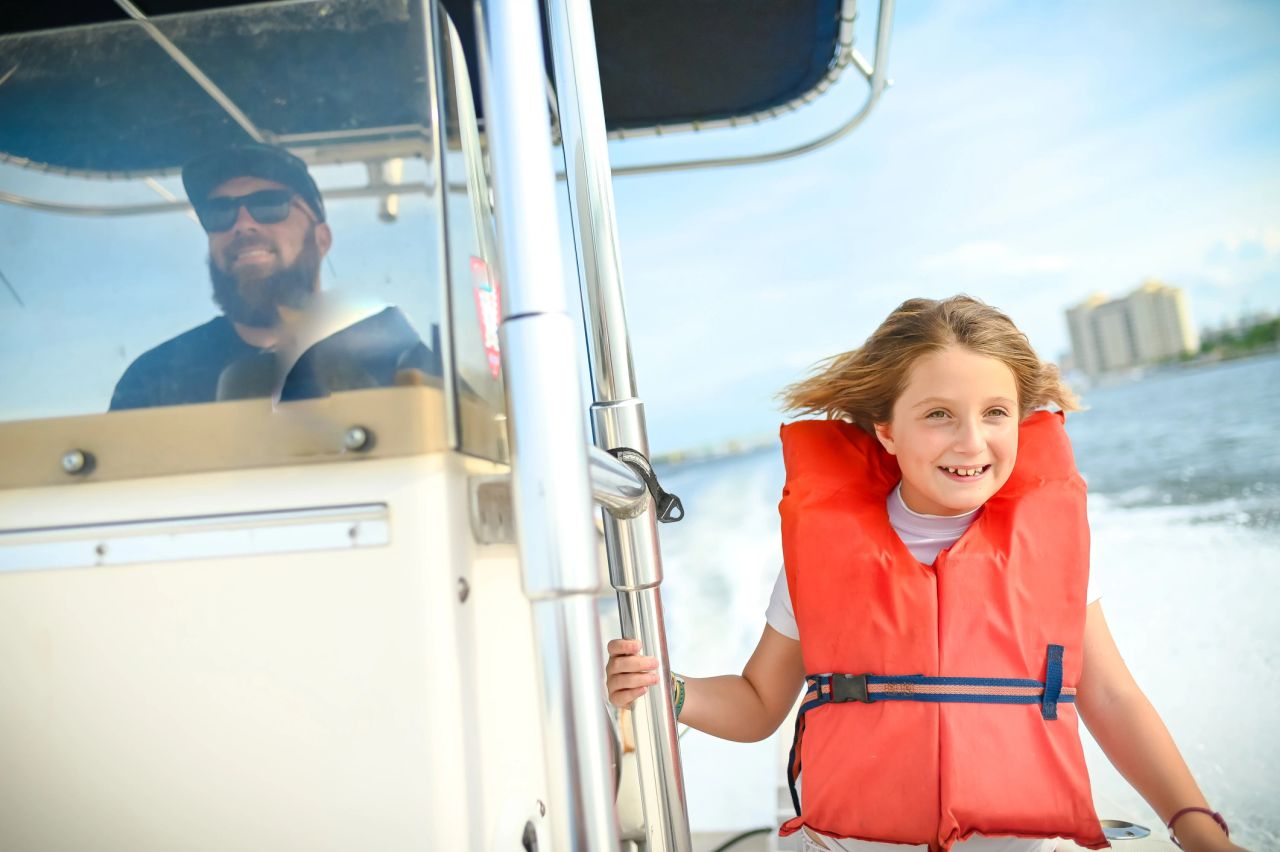
Even strong swimmers should wear a properly fitted life jacket. Modern personal flotation devices (PFDs) are lightweight and comfortable, designed for unrestricted movement. In cold Great Lakes waters, a life jacket can significantly increase survival time in the unlikely event of a man-overboard situation. - File a Float Plan with Someone on Shore
Always let a trusted contact know your itinerary, including departure time, route, and expected return. This simple step ensures rescuers know where to search if you don’t check in—especially important when boating beyond cell range or during storm-prone summer seasons. - Monitor Weather and Water Conditions Continuously
Check forecasts before departure and use real-time marine weather apps while underway. Sudden storms on large bodies of water can create dangerous waves and reduced visibility. Knowing how to react to shifting conditions keeps your journey safe and enjoyable.
Life Jackets 101: Your Essential Lifesaving Gear on Chicago Waterways
When boating on Lake Michigan or navigating the Chicago River, wearing a life jacket isn’t just recommended—it’s a critical safety decision. Many new boaters assume calm waters mean low risk, but unexpected waves, wind shifts, or slips can lead to immersion in cool, potentially dangerous conditions. The key to staying safe starts with choosing and properly using the right personal flotation device (PFD).
Start by selecting a U.S. Coast Guard-approved life jacket tailored to your boating activity—whether fishing, cruising, or watersports. For most Chicago outings, a Type III PFD offers comfort and adequate flotation for conscious wearers. Ensure a snug fit by checking all adjustment straps; your jacket shouldn’t ride up over your chin or ears when lifted. Consider a jacket with a bright color or reflective tape for increased visibility in urban marinas or low light.
Always keep PFDs easily accessible and routinely inspect them for wear, especially after winter storage. Kids need youth-sized models—never rely on adult versions. With the right fit and consistent use, your life jacket becomes your most reliable ally for safe and enjoyable boating adventures on Chicago’s dynamic waterways.
Mastering Weather Checks and Navigation on Chicago’s Waterways
Staying safe on Lake Michigan and Chicago’s interconnected rivers starts with smart preparation. Before every outing, follow these essential steps to assess weather conditions and navigate confidently.
- Check Real-Time Marine Forecasts
Monitor NOAA’s marine weather updates specific to Lake Michigan and the Chicago Harbor. Pay close attention to wind speed, wave height, and thunderstorm warnings—conditions can shift rapidly, especially near the shoreline and river mouths. - Use GPS and Nautical Charts
Equip your vessel with up-to-date GPS and digital charts. Familiarize yourself with key landmarks like the Chicago River Lock, Navy Pier, and offshore buoy markers. Always plot your route in advance and maintain situational awareness, especially in high-traffic zones. - Watch for Currents and Tides
While the Great Lakes don’t have tides, water levels and currents can change due to wind and lock operations. Exercise caution when entering or exiting the Chicago River, particularly during heavy commercial traffic. - Monitor VHF Channel 16
Keep your VHF radio tuned to emergency channel 16 while underway. This ensures you receive urgent weather alerts and can respond to potential distress calls. - Plan an Escape Route
Identify nearby marinas, harbors, or safe pull-off points along your route. If storms approach from the north or east—common in Chicago—know where you can seek shelter quickly.
Proactive planning turns a potentially risky trip into a smooth, enjoyable experience on Chicago’s dynamic waterways.
Frequently Asked Questions About Chicago Boating Safety Regulations
Navigating boating safety in Chicago can be overwhelming for new boaters, especially when it comes to understanding local rules and best practices on Lake Michigan and surrounding waterways. Here are some common questions beginners often ask.
Do I need a boating license to operate a vessel in Chicago?
While Illinois doesn’t issue traditional boating licenses, all motorized boat operators born after January 1, 1998, must carry a valid Boating Safety Education Certificate. This is earned by completing a state-approved course and is required by law on all Illinois waters, including Chicago’s lakes and rivers.
Are life jackets required on Chicago waterways?
Yes. Every vessel must have a U.S. Coast Guard-approved life jacket (PFD) for each person on board. Children under 13 must wear theirs at all times when the boat is underway. Inflatable PFDs are permitted for those over 16, but only when not in the water.
What are the rules for operating near Chicago’s shoreline and harbors?
Boaters must adhere to designated no-wake zones within 200 feet of shore, docks, and swimming areas. This includes the Chicago Riverwalk, Monroe Harbor, and Burnham Park. Exceeding idle speed in these zones is a violation and poses serious safety risks.
Is alcohol allowed on private boats in Chicago?
Alcohol consumption is permitted for passengers, but operating a vessel with a blood alcohol content of 0.08% or higher is illegal. Boating under the influence (BUI) carries penalties similar to DUI, including fines and license suspension.
What safety equipment is required on Chicago-area boats?
All boats must carry: sound-producing devices (like a horn), visual distress signals (flares), fire extinguishers (for vessels with enclosed engines), and properly mounted navigation lights if operating at night or in low visibility.
Stay Safe, Stay Smart: Your Journey to Confident Boating Begins Now
Boating offers unforgettable experiences on the water, especially along scenic shorelines like those around Chicago—but safety must always take the helm. By now, you’ve learned the non-negotiables: wearing a properly fitted life jacket, completing a certified boating safety course, checking weather conditions before departure, and maintaining a vigilant lookout at all times. You understand the importance of carrying required safety gear, from sound-producing devices to visual distress signals, and how to operate your vessel responsibly around other boaters and swimmers. These practices aren’t just recommendations—they’re essential habits that protect everyone on board.
As you prepare for your next outing on Lake Michigan or the Chicago River, take a moment to review your checklist. Ensure your registration and safety equipment are up to date, and confirm that everyone onboard knows emergency procedures. Share your float plan with someone on shore, including your route and expected return time. For new boaters, consider enrolling in a hands-on safety seminar to sharpen your skills under expert guidance.
Responsible boating isn’t just about rules—it’s about respect for the water, your passengers, and the vibrant boating community. Make safety your standard, every time you cast off.