
Sub-Total: $0.00
Post
Mastering the Chicago Air and Water Show by Boat

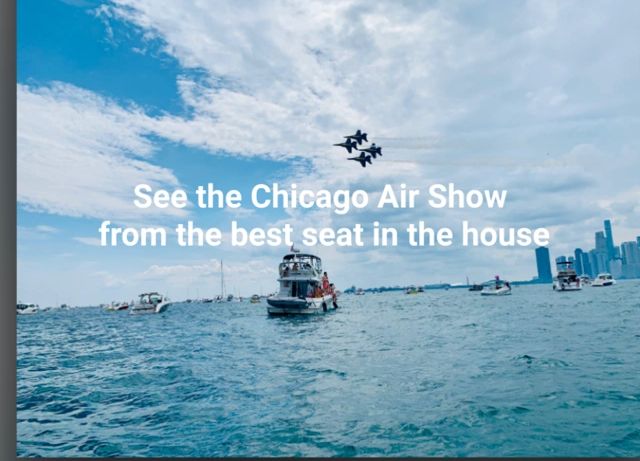
Nothing says a Great Lakes summer quite like the weekend of the Chicago Air and Water Show. As high-speed jets streak over the skyline, transforming the city’s vertical architecture into a natural amphitheater, the energy on Lake Michigan is unmatched. From the rehearsal days to the main event, experiencing the show from the water offers front-row seats to a thrilling spectacle.
However, this premier weekend also brings some of the heaviest vessel traffic of the season. Whether you are planning a private outing, looking into Chicago Playpen boating, or considering professional options, a successful on-water experience requires careful planning, strict safety protocols, and local waterway savvy.
The Performer Rotation & Local Perspectives
A central highlight of the event’s ongoing tradition is the operational swap between the two most elite demonstration teams in military aviation. To balance national schedule demands and give audiences a fresh performance each season, the U.S. Navy Blue Angels and the U.S. Air Force Thunderbirds alternate headlining the air show every other year. When the Blue Angels fly their blue-and-gold F/A-18 Super Hornets one year, the Thunderbirds take over the sky the following year in their sleek red, white, and blue F-16 Fighting Falcons.
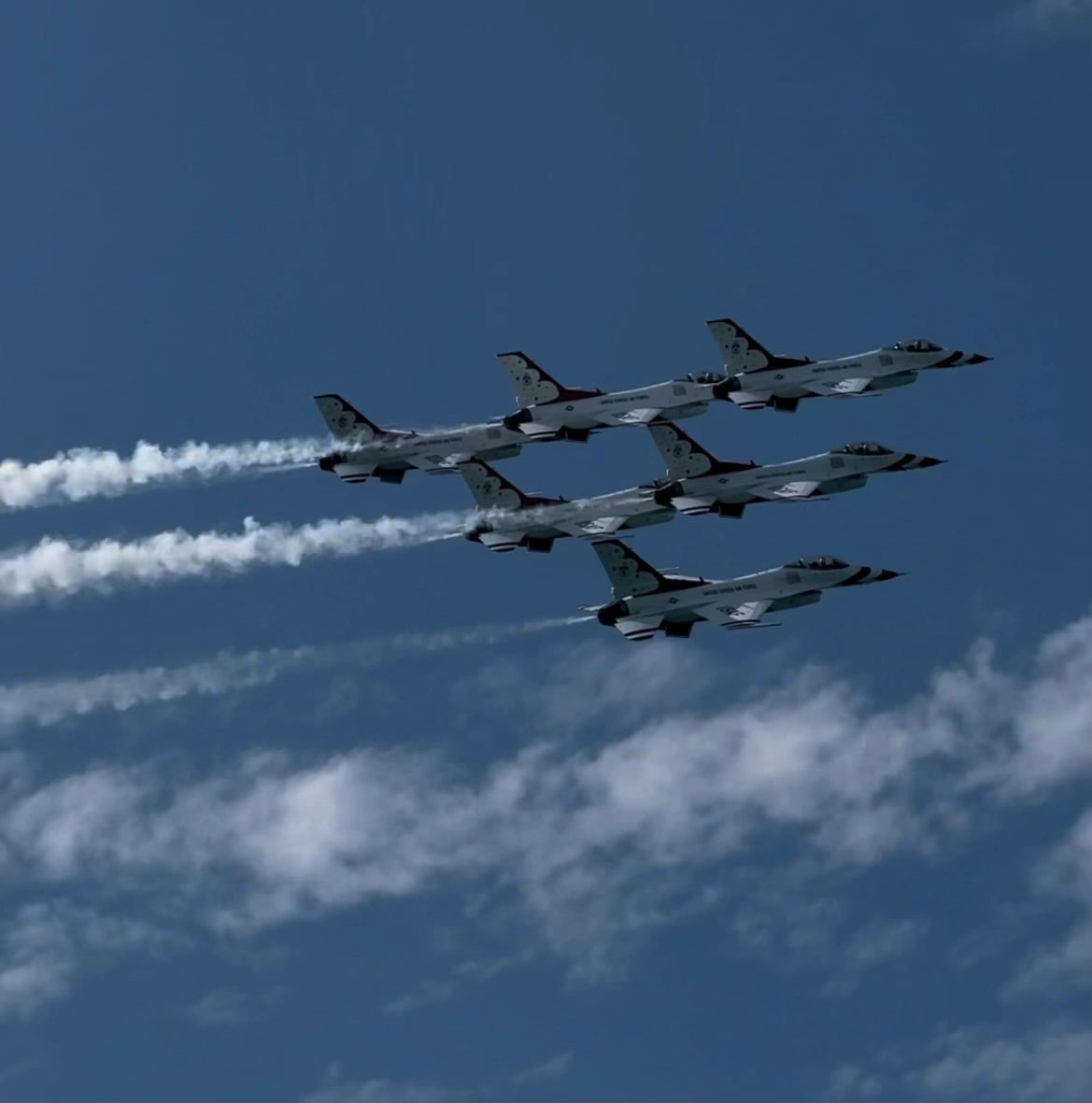
When asked about the iconic headliners, Master Captain Brady Ruel joked:
“Ohhh boy, I really don’t know anything about airplanes… but I’ve been captaining boats the last 26 air shows. The Blue Angels just look better!”
Neighborhood Buzz and Citywide Excitement
On the neighborhood version of Facebook called Nextdoor, chatter starts the minute the first plane flies over Chicago. Haley, in Central Lakeview, was the first to post several days before the show: “Anyone just hear that Jet in Lakeview?”
Within minutes, there are dozens of comments from all over the city. From West Buena Park to Lincoln Park Zoo to Belmont Harbor, Margate Park, and the Gold Coast—people are seeing and hearing the planes.
Whether you are at the Chicago Cubs game or in The Home Depot parking lot when a jet flies over, or whether you are rocking comfortably on Lake Michigan in a yacht, the air show brings thrills and excitement for everyone to enjoy.
1. Understanding the Playpen and City Hot Spots
For local boaters and visitors alike, Ohio Street Beach and the famous Playpen Chicago boat scene are central hubs of summer recreation. Protected by a breakwater just north of Navy Pier, the Playpen offers a unique, semi-sheltered basin where vessels traditionally gather to socialize.
During big summer events, Navy Pier Marina and surrounding transient slips fill to capacity with boaters making the cross-lake trek from Indiana, Wisconsin, and Michigan. It truly feels like show center, bringing together everything from small center consoles to luxury yachts.
Crucial Air Show Restriction: It is vital to note that the Playpen is strictly closed during the air show. The United States Coast Guard (USCG), the Chicago Police Marine Unit, and partner law-enforcement agencies actively patrol and enforce an established safety and exclusion zone to protect performers and spectators. Planning your anchoring spots outside this restricted airspace is essential.
2. Why the Air Show Weekend is One of the Busiest Days on the Water
As soon as the first practice roar echoes across neighborhoods—sparking classic local chatter across social media feeds throughout Chicagoland—boaters begin positioning themselves for the weekend.
Saturday and Sunday of the air show represent peak congestion on Lake Michigan. Boating air show rates and charter prices often surge, reflecting high demand and limited inventory.
- The Insider Secret: For seasoned local captains, Friday is the ultimate insider tip. On the Friday before the official weekend, the performers execute a formal, full-scale rehearsal. Heading out on Friday allows you to bypass the peak weekend pricing, avoid the overwhelming vessel congestion of Saturday and Sunday, and still catch breathtaking, heart-pounding views as jets roar overhead and execute low-altitude flybys.
3. Anchoring and Rafting Considerations
When thousands of vessels converge on the shoreline for the air show, proper anchoring and rafting techniques are non-negotiable.
- Scope and Bottom Conditions: Lake Michigan features varied holding grounds. Ensure you deploy adequate scope (typically a 7:1 ratio for anchor line to water depth) and double-check your swing room as wind and wave directions shift.
- Rafting Etiquette: If you are tying up alongside other vessels, use proper fenders positioned at widest points, stagger your cleats, and rig heavy-duty spring lines. Never tie off to another boat without explicit permission and coordination regarding anchor holds.
- Wake Management: Respect no-wake zones and maintain safe distances from anchored groups. Fast-moving spectator boats creating large wakes through congested areas compromise safety and strain anchor holds.
4. Passenger Safety: Essential Gear and Briefings
Safety on the water always starts before you untie the dock lines. A thorough passenger safety briefing sets the tone for a fun and secure voyage.
The Pre-Departure Briefing
- Three Points of Contact: Remind all guests to constantly maintain three points of contact (two hands and a foot, or two feet and a hand) while moving about the deck, especially when the vessel is rolling in wake chop.
- Head and Hands Clear: Instruct guests to keep hands and bodies inside the gunwales when docking or maneuvering near other boats.
- Safety Gear Location: Show everyone where life jackets, fire extinguishers, and emergency communication equipment are stored.
Coast Guard Inspection Readiness
If the USCG, Chicago Police Marine Unit, or Illinois Conservation Police pull alongside your vessel for a routine safety boarding, they will look closely at compliance items. Make sure your checklist includes:
- Life Jackets (PFDs): A USCG-approved wearable life jacket of the correct size for every single person aboard, plus a readily accessible throwable device (ring buoy or buoyant cushion).
- Fire Extinguishers: Unexpired, fully charged marine-grade fire extinguishers mounted in accessible locations.
- Visual Distress Signals: Unexpired flares or approved day/night visual distress signals.
- Sound-Producing Device: An operable horn, whistle, or bell capable of meeting inland navigation rules.
5. Sober Captain Planning
The festive atmosphere of a Chicago boat party can easily lead to compromised decision-making if alcohol is involved. Operating a vessel under the influence (BUI) carries severe legal penalties, steep fines, and immediate vessel impoundment, not to mention extreme danger to passengers and neighboring boaters.
- Designate Early: Assign a strictly sober captain before the trip begins.
- Pace and Hydration: On hot August days on Lake Michigan, sun, wind, and dehydration amplify the effects of alcohol. Keep plenty of bottled water on board for everyone in your party.
6. Charter and Professional Captain Options: Plan Early
If you do not own a boat or prefer to sit back and enjoy the show without the stress of navigation, anchoring, and crowd management, hiring a professional charter or contracting a licensed Master Captain is the ideal solution.
- Inventory and Pricing: The golden rule of booking a Chicago boat charter for major events like the Air and Water Show is that inventory disappears fast, and prices climb as the date approaches.
- Verify Credentials: Always ensure your captain holds a valid USCG Merchant Mariner Credential (Captain’s License) and that the charter vessel complies with commercial safety regulations.
Whether you are watching the jets echo off downtown high-rises or enjoying a quiet cruise along the breakwall, prioritizing seamanship ensures that your Chicago Air and Water Show adventure remains thrilling, memorable, and safe for everyone on board.
#ChicagoAirAndWaterShow #ChicagoPlaypenBoating #PlaypenChicagoBoat #ChicagoBoatParty #BoatingSafetyPlaypen #LakeMichigan #ChicagoBoating #BoatingSafety #GreatLakesBoating